

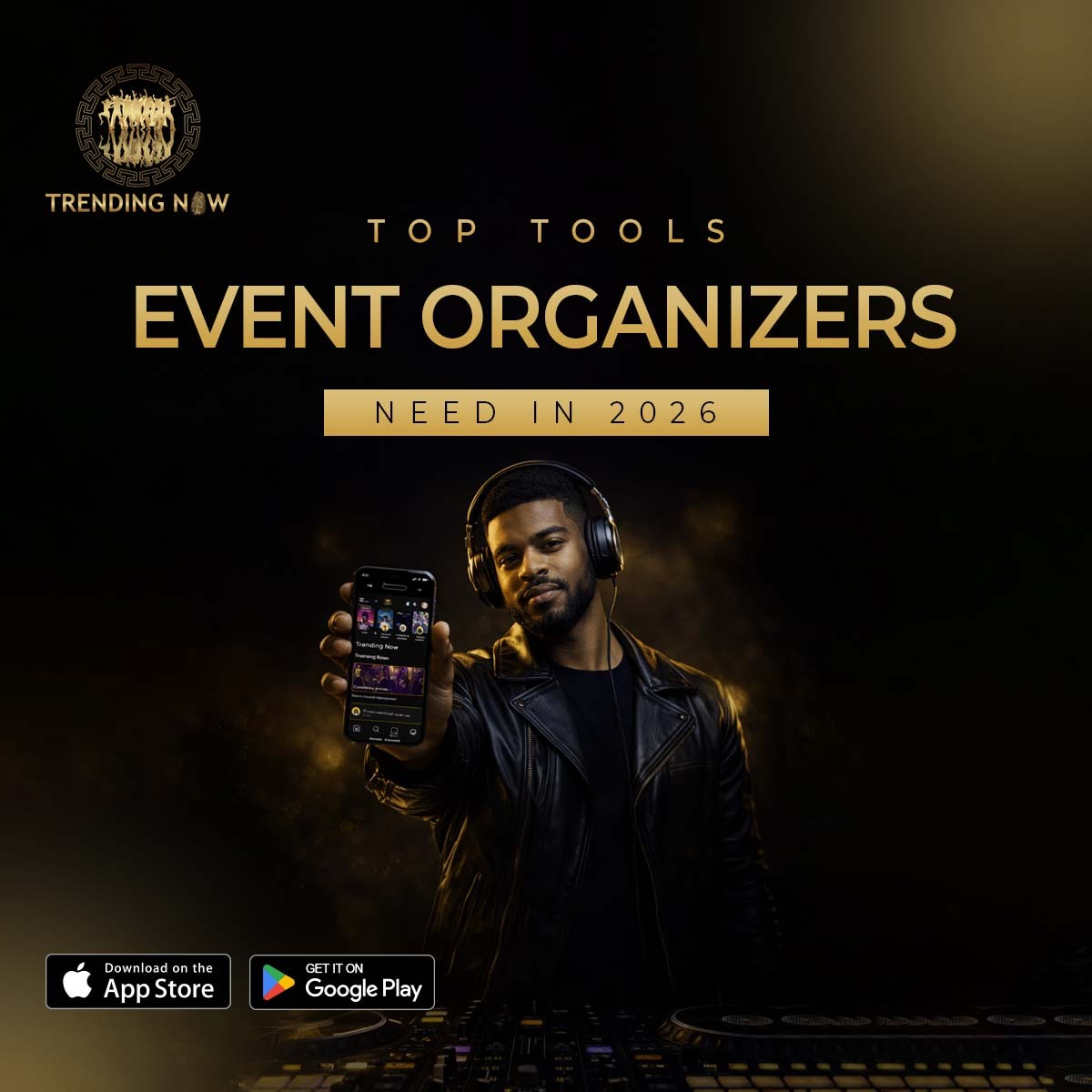
The modern-day event industry has become highly competitive, technology-focused, and experience-driven more than ever before.
Meanwhile, audiences are demanding immersive experiences, seamless processing, real-time communication, interactive engagement, and personalized usage. Simultaneously, organizers have to manage attendee count, payments, marketing, analytics, performers, sponsors, and many more things. The real challenge here is doing so across multiple platforms. That is exactly why the event management software industry had to evolve too, and fast.
This gave rise to the all-in-one event management platforms that offer much more than just ticket booking and event tracking. Modern event management tools come with registration funnels, analytics dashboards, networking and socializing features, event marketing, and more advanced features. On top of that, AI and ML integrations empower them further.
In 2026, most organizers prefer using these tools. If you are one of them, this guide is for you. We will discuss the top 10 best event management tools of 2026, starting with a brief comparison between them.
Comparing Event Management Tools Discussed In This Blog
If you are stuck on identifying which event management tool is the best, let us clear the air first; there is no universal answer. Each one has its strengths and weaknesses, and the best platform status depends on the event size, budget, audience type, operations, and goals. The following chart explains the best use case.
| Use Case | Best Tool |
| All-In-One Event Management | Trending Now |
| Business Conferences | Cvent |
| Audience Engagement | Bizzabo |
| Networking Goals | Whova |
| Public Ticketing | Eventbrite |
| Virtual Expos | vFairs |
| Branded Experiences | Splash |
| Budget-Friendly Event Management | Accelevents |
| Custom Workflows | Swoogo |
| Creator Community | Luma |
5 Best Event Management Tools For Organizers In 2026
The following are the top 8 event management tools for organizers in 2026.
1. Trending Now
Trending Now is a rather new but highly powerful and advanced all-in-one event management platform. You can easily find events, buy tickets, socialize with friends, interact with fans and artists, and build great memories.
It is the first event ticketing and engagement platform that offers everything in one place, along with seamless performance, an easy-to-use interface, and a secure infrastructure. Another great thing is that you can use the platform as a user to find concerts and events, as an organizer to manage events, or as an artist to promote yourself.
2. Cvent
Cvent is a powerful event management platform for enterprise conferences and large-scale events. It is widely used by corporate teams, global event companies, trade shows, and enterprises. What makes Cvent one-of-a-kind is its end-to-end event system.
The key features include registration management, event websites, badge printing, venue finding, on-site check-ins, analytics monitoring, and hybrid event management.
Cvent has received many positive reviews as a top enterprise-level solution because of its scalability and performance. However, its expensive pricing and difficulty to use can be an issue for small teams.
3. Bizzabo
Bizzabo is another widely acclaimed event management platform. Bizzabo focuses heavily on attendee engagement, tailored experiences, audience funnel, networking, and marketing automation.
The biggest strength of Bizzabo is surely its strong engagement mechanics, operational management, and event marketing tools. Bizzabo has consistently secured a place among the top all-in-one event platforms, but the premium pricing for advanced features is a weakness on our list.
4. Whova
Whova is a popular platform for networking and community-driven events. It stands out among the rest for its amazing mobile event app, love polls, gamification, attendee management, messaging systems, networking, and QR check-ins.
Whova offers highly interactive experiences without any enterprise-level complexity. It has received great response for its excellent attendee engagement, but the outdated interface design has put off some organizers.
5. Eventbrite
Eventbrite is a globally recognized event platform popular for its simplicity. It is widely used for concerts, public meetups, community events, workshops, and small business events. Eventbrite offers a lot of amazing features, including ticketing, registration, payment gateways, public event finding, and mobile scanning.
The biggest strengths of Eventbrite are its ease of use, discovery system, fast setup, and beginner-friendly workflows. However, we didn’t like that it has limited advanced engagement features.
Final Takeaway
The 2026 event industry is moving towards connected, immersive, and audience-driven experiences. The fans, artists, and organizers of today need more than a basic ticketing system; they need an all-in-one event management platform that combines event management, audience engagement, networking, socializing, automation, and creator collaboration.
The platforms at the top of the leaderboard are the ones helping organizers arrange amazing events that allow fans and creators to build memorable experiences. Since the expectations are always rising from the fans, choosing the right management tool can be the difference-maker.